PURUTHANA
Bayburt Purut
Located at the intersection of the Caucasus, Eastern Anatolia, and the Black Sea, these lands have sometimes served as a battleground and sometimes as a stopover on international trade routes. Its challenging geography, combined with the accumulation of different cultures over thousands of years, has made Bayburt one of Anatolia's unique cities.
One of the oldest traces of this uniqueness lies in the connection with the land.
Pottery, based on the tradition of making pots and jars from clay, has been a centuries-old craft in Bayburt, one of the most ancient crafts in human history. According to some masters from Sivas, the founder of pottery is considered to be the Prophet Muhammad. According to legend, the footprint of a camel stepping in mud that had dried and was then fired in a kiln transformed into one of the first pots. This narrative shows that pottery is not just a profession, but also a belief and a moral foundation.
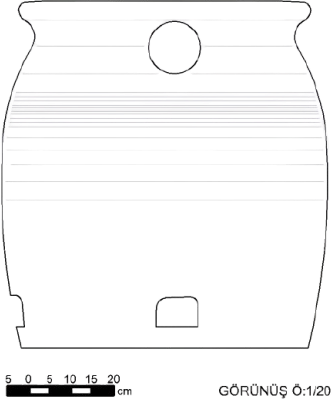
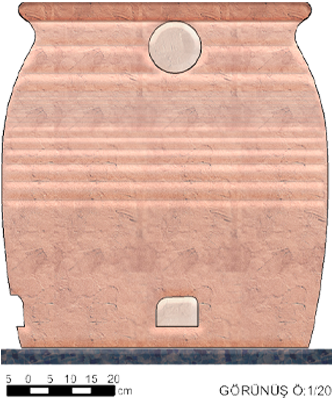
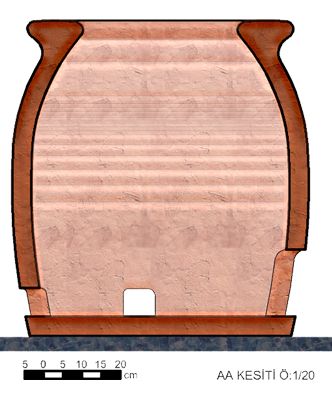
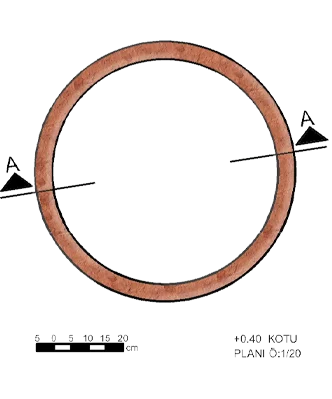
The word "purut" means a pot or jar made of clay in dictionaries. "Puruthane" refers to the place where these vessels are produced, i.e., the pottery workshop. In the regions of Erzurum, Bayburt, Gümüşhane, and Sivas, the pottery profession is known as purutçuluk; the craftsman who does this work is called a purutçu. The word puruttai, which appears in Hittite cuneiform writings, means "to smear with mud, to cover with clay," providing another indication of the craft's ancient origins.
The known history of purutçuluk in Bayburt dates back to at least the 19th century. According to records from that period, a household in the Veysel Efendi neighborhood made its living from this craft, and purutçuluk was a significant craft that generated an annual income of 300 kuruş. Today, the representative of that household still lives in the same neighborhood and continues the same craft.
Production at the kiln was once diverse. Bricks, tiles, lime, water, and chimney pipes, clay pipes for channels, bowls, casseroles, pots, grain and pickle jars, even tiles... Today, only one of these products remains: the tandir.
In cold climates, it has been used not only for cooking but also for heating and communal living. In traditional Erzurum and Bayburt homes, the tandir room served as a multifunctional space, combining a kitchen, living area, resting place, and even a bedroom. Over time, the tandir has been replaced in urban life by ovens and modern heating appliances, but it continues to be used in rural areas.
In the past, tandir making was a profession practiced by masters, but today, in most places, women in villages continue this work using traditional methods. In Bayburt, however, tandir production is still in the hands of a master. Mahmut Recai Purutoğlu has been practicing this profession for about half a century, producing tandirs from Bayburt to all corners of Türkiye and abroad. His selection as "Ahî of the Year" in 2020 is a tribute to this labor and ethics. The story of the tandir, purut, and purut craft is not only that of a master craftsman but also the memory of a city.
And that memory continues to live on by touching the earth.